


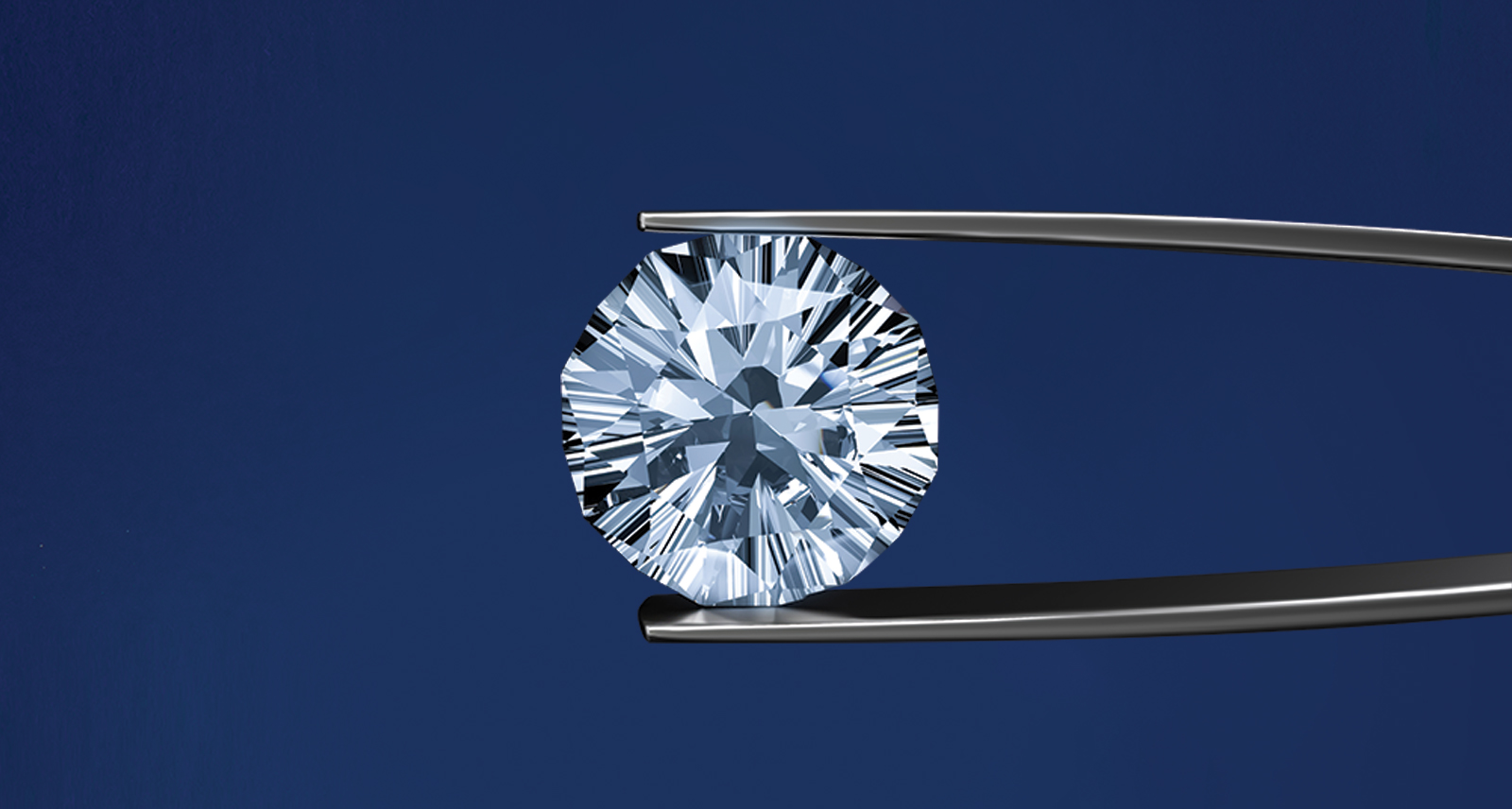
The jewelry industry has long been dominated by natural diamonds, which are prized for their beauty, rarity, and enduring value. However, a new contender has emerged that is reshaping the market: lab grown diamonds. These engineered gems are not only redefining consumer expectations but also challenging the traditional diamond industry’s business model. Lab diamonds are creating ripples across the industry with their affordability, sustainability, and ethical appeal, presenting both opportunities and challenges for jewelers and consumers alike.
Lab grown diamonds are chemically, physically, and optically identical to natural diamonds. They are created in controlled laboratory environments using advanced technological processes such as High Pressure High Temperature (HPHT) or Chemical Vapor Deposition (CVD). These methods mimic the natural diamond formation process that occurs deep within the Earth’s mantle over millions of years, but in a fraction of the time.
Unlike synthetic alternatives like cubic zirconia or moissanite, lab grown diamonds possess the same crystal structure and brilliance as mined diamonds. This distinction has earned lab diamonds recognition from prestigious gemological institutions, making them a legitimate choice for discerning consumers.
Lab diamonds have gained significant traction in recent years, particularly among Millennials and Gen Z consumers. These demographics are increasingly prioritizing sustainability, transparency, and value for money when making purchasing decisions. Lab grown diamonds align with these values by offering a conflict-free and environmentally friendly alternative to mined diamonds.
The environmental and ethical concerns associated with traditional diamond mining have played a pivotal role in the rise of lab diamonds. Mining operations often result in habitat destruction, water pollution, and greenhouse gas emissions. Furthermore, the issue of “blood diamonds” — gems mined in war zones and sold to finance armed conflict — has tarnished the reputation of natural diamonds. In contrast, lab grown diamonds provide a clean and traceable supply chain that appeals to socially conscious buyers.
One of the most significant factors contributing to the disruptive potential of lab diamonds is their cost. On average, lab grown diamonds are 20-40% less expensive than their mined counterparts. This affordability makes them accessible to a broader audience without compromising on quality or appearance.
For many consumers, the reduced cost of lab diamonds translates to the ability to purchase larger or higher-quality stones for the same budget. This price advantage has forced traditional jewelers to reconsider their pricing strategies and product offerings to remain competitive.
The rapid advancement of technology has also been instrumental in the proliferation of lab diamonds. Over the past decade, production techniques have improved dramatically, resulting in higher yields and better quality diamonds. Innovations in diamond-growing technology have also driven down production costs, making lab grown diamonds an increasingly attractive option for both manufacturers and consumers.
Additionally, the marketing efforts of major lab diamond companies have successfully positioned these gems as modern, innovative, and ethically superior alternatives to mined diamonds. By emphasizing their eco-friendly production methods and affordable luxury appeal, these brands have captured the attention of a new generation of buyers.
The rise of lab-grown diamonds has disrupted the traditional diamond supply chain, posing challenges for mining companies and retailers. Many established jewelry brands have begun incorporating lab-grown diamonds into their product lines to meet changing consumer preferences. De Beers, one of the world’s largest diamond producers, launched its own lab-grown diamond brand, Lightbox, in 2018 to capitalize on this growing market segment.
However, the integration of lab diamonds has not been without controversy. Some industry stakeholders argue that lab grown diamonds devalue natural diamonds by undermining their perceived rarity. Others contend that the two categories can coexist, catering to different consumer needs and preferences.
From a consumer perspective, lab-grown diamonds offer numerous advantages. In addition to their lower price point, they come with detailed certification and grading, ensuring transparency and quality assurance. The customizable nature of lab-grown diamonds also allows buyers to specify size, shape, and color with greater precision.
Furthermore, lab diamonds align with the growing trend of ethical consumerism. By choosing lab grown diamonds, consumers can make a statement about their commitment to sustainability and social responsibility, enhancing the emotional value of their purchase.
The future of lab grown diamonds looks promising as they continue to gain acceptance and market share. According to industry analysts, the global lab-grown diamond market is projected to grow at a compound annual growth rate (CAGR) of over 7% through 2030. This growth will likely be driven by ongoing advancements in production technology, increased consumer awareness, and the entry of more players into the market.
As lab diamonds become more mainstream, the traditional diamond industry will need to adapt to stay relevant. This could include embracing new technologies, diversifying product offerings, and investing in sustainability initiatives to compete with the lab-grown segment.
Lab grown diamonds are undeniably transforming the jewelry market by challenging the status quo and redefining luxury. Their affordability, sustainability, and ethical appeal resonate with modern consumers, making them a compelling alternative to mined diamonds. While their rise poses challenges for the traditional diamond industry, it also presents opportunities for innovation and growth. As consumer preferences continue to evolve, lab diamonds are set to play an increasingly prominent role in the future of fine jewelry.


