


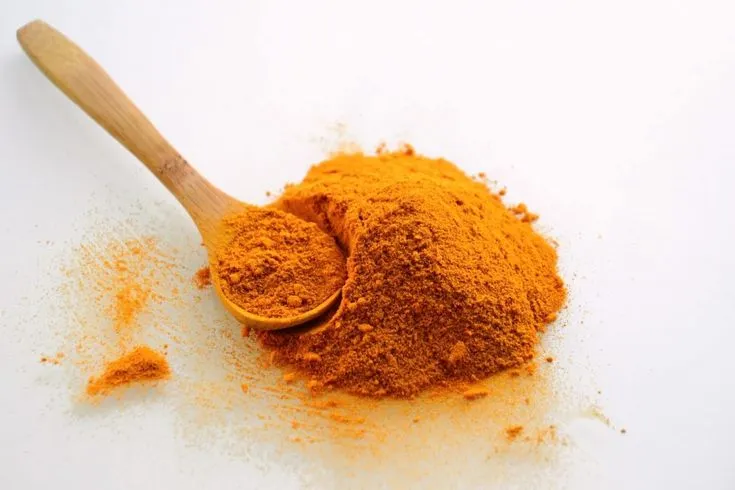
Curcumin is very well known for its strong yellow pigmentation and its association with turmeric; therefore, it is an interesting agent for food color development. When a warm yellow color is required for beverage, sauce, dairy or snack formulations, or bakery products, manufacturers looking for solutions can consider curcumin. Knowing where it comes from, how it’s used, how it’s processed, and its preferred format can lead product developers to a practical method of natural color formulation.
Understanding Curcumin as a Color Source
Curcumin is a naturally occurring compound found in turmeric and is the reason for its noticeable yellow color. It is an interesting material for manufacturers working on naturally derived yellows due to its strong color properties.
Depending on the concentration, food matrix, processing conditions and surrounding ingredients, the final appearance may vary. Therefore, product developers can assess the ingredient in the formulation it is intended to be used in, instead of only as an individual ingredient.
The practical testing will help you determine if the color fits the overall product.
What to Consider When Choosing a Curcumin Manufacturer
When developing a product, selecting the right curcumin manufacturer is crucial. Manufacturers can access the ingredient formats, technical specifications, how-to information and support available for their proposed food category.
A useful ingredient partner can assist development teams to comprehend how to curcumin based answer may fit into various formulations. Ideas may include the desired intensity, shade, processing procedures, ingredient form and requirements for production. This information could help businesses conduct formulation trials with greater understanding of the desired outcome.
Exploring Curcumin Color Applications
In the food industry, Curcumin Color can be used in products that require a yellow or golden color, such as sauces, spaghetti sauce, salads, and beverages. Potential areas for its application are beverages, sauces, dairy products, baked goods, snack goods, confectionery, and other formulations.
Products may look completely different when it comes to their desired appearance. A drink could be very bright yellow, and a sauce or bakery item might be a warmer golden shade. Different concentration levels can be tested for manufacturers to find the desired visual intensity which best suits their product concept.
Considering the Food Matrix
Colour development should be taken into account with the full feed formula. The final look of a color ingredient can be affected by its acidity, moisture, fat content, texture and other components.
Small-scale formulation trials enable the developers to visualize the behavior of curcumin in combination with the actual formulation ingredients. This will help in comparison of concentrations and determining the appropriate application procedure. Testing also serves as a tool to help the team set realistic formulation specifications prior to commercialization.
Evaluating Processing Conditions
Mixing, heating, cooling, drying, filling or other food-manufacturing operations. To assess a curcumin-containing color solution, these conditions should be taken into account.
During trials, developers can recreate critical steps of the process to gain insight into the shade that will be produced when the product is manufactured under realistic conditions. This will be helpful in selecting the correct addition stage and concentration.
The storage conditions can also be taken into account. When the formulation is observed while the product is on display during its projected storage time, the manufacturers will have more data to help them improve the formula.
Choosing the Right Ingredient Format
Natural color ingredients may come in various forms depending on the uses and production methods. Depending on equipment, moisture content, mixing techniques and dispersion, different production systems might be appropriate for liquid and powdered formulations.
Manufacturers can compare the ease of measurement of each format and how it can be integrated into their formulation. Sample testing helps teams learn about handling and will give them some real-world guidance to decide on an approach that is suitable to their current workflow.
Technical guidance can also be used to aid decisions on ingredient format and application.
Building Consistent Color into Production
However, after selecting an appropriate curcumin-containing solution, manufacturers can record important production information. These can be concentration, sequence of ingredients, method of addition, mixing procedure, processing conditions and target shade.
Specifications ensure that production teams have consistency between batches. They can also give a reference aid in the creation of other products that need a similar yellow or golden hue.
This structured approach makes color development a practical part of wider product planning.
Conclusion
Curcumin offers food manufacturers an interesting route toward naturally derived yellow and golden shades across a variety of applications. By considering the ingredient source, food matrix, processing conditions, format, desired intensity, and production requirements, developers can build a well-planned color strategy. If you are exploring curcumin-based solutions for your next formulation, visit foodrgb.com to discover suitable options and move your food color development plans toward the next stage.


